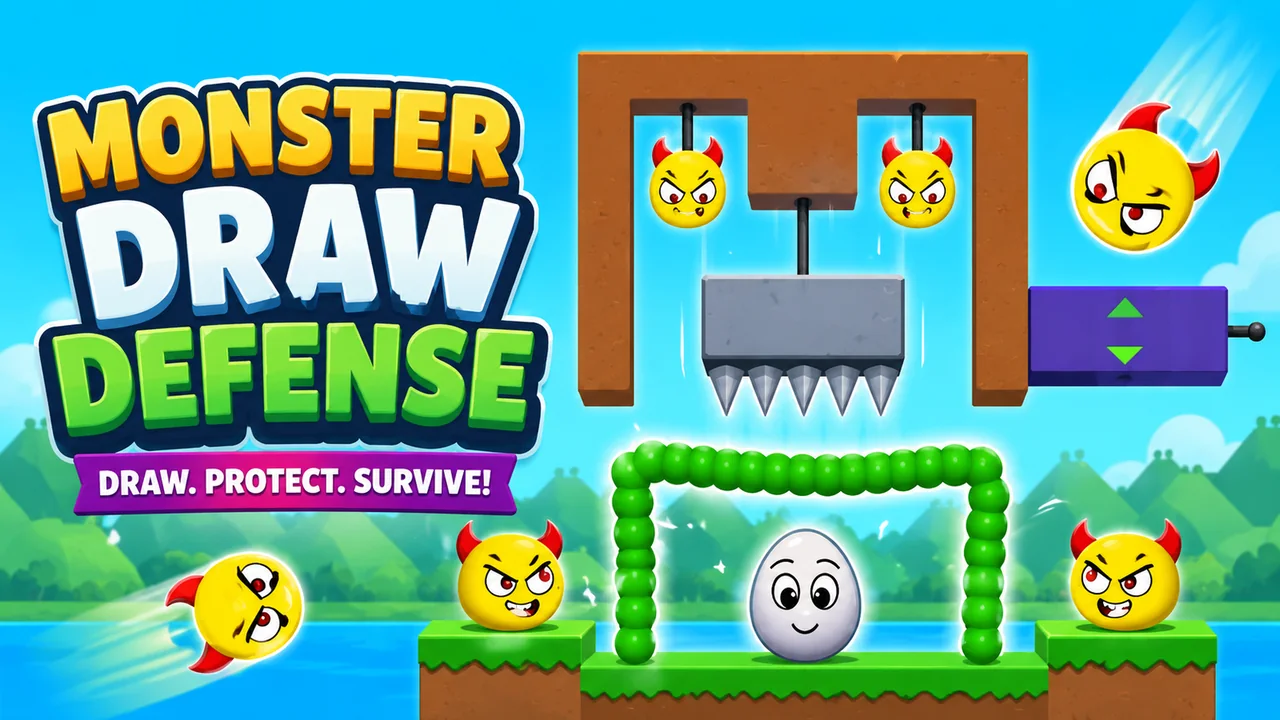
Draw To Smash Beginner Tips: Start Solving Smarter
Build a strong foundation with simple shape choices, safer drop zones, and a repeatable way to read every puzzle before drawing.
Read article →Nine original articles covering beginner tactics, useful shapes, physics, difficult levels, controls, common mistakes, brain skills, and creative challenges.
Build a strong foundation with simple shape choices, safer drop zones, and a repeatable way to read every puzzle before drawing.
Read article →
Learn when bars, hooks, wedges, loops, and weighted doodles work best in falling-shape puzzle situations.
Read article →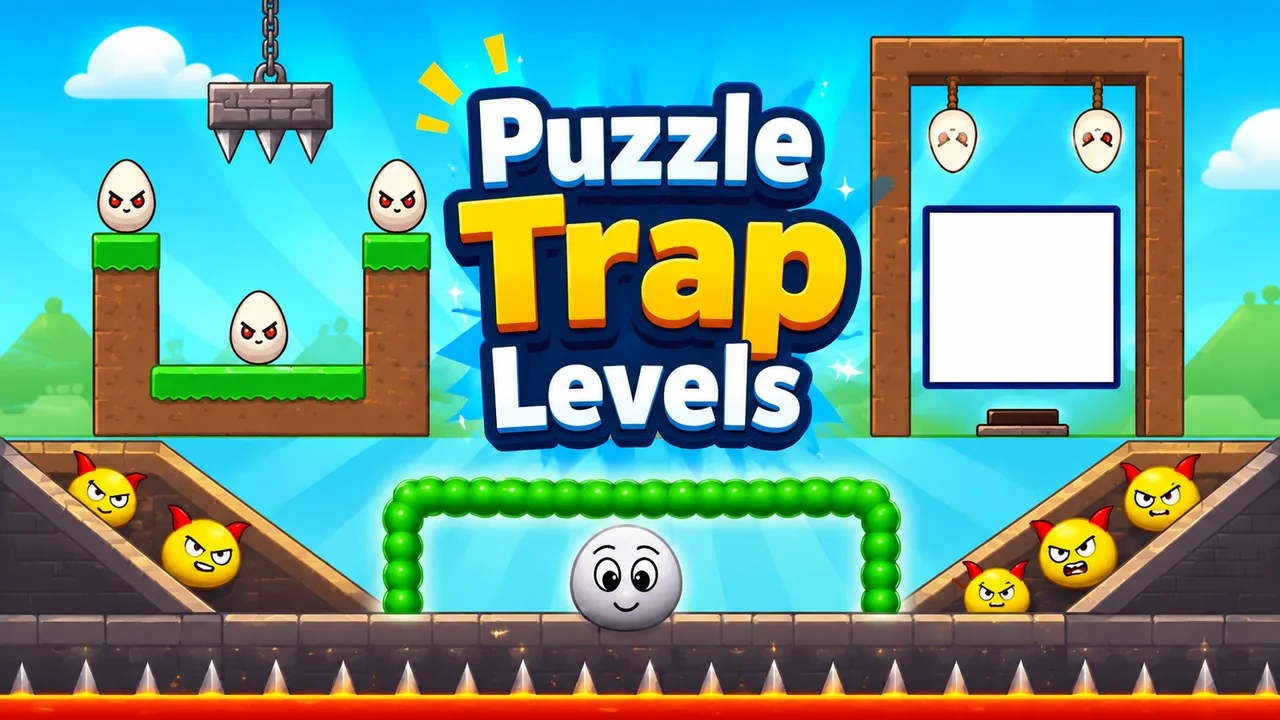
Understand gravity, balance, rotation, momentum, and contact points so your drawings land where you expect.
Read article →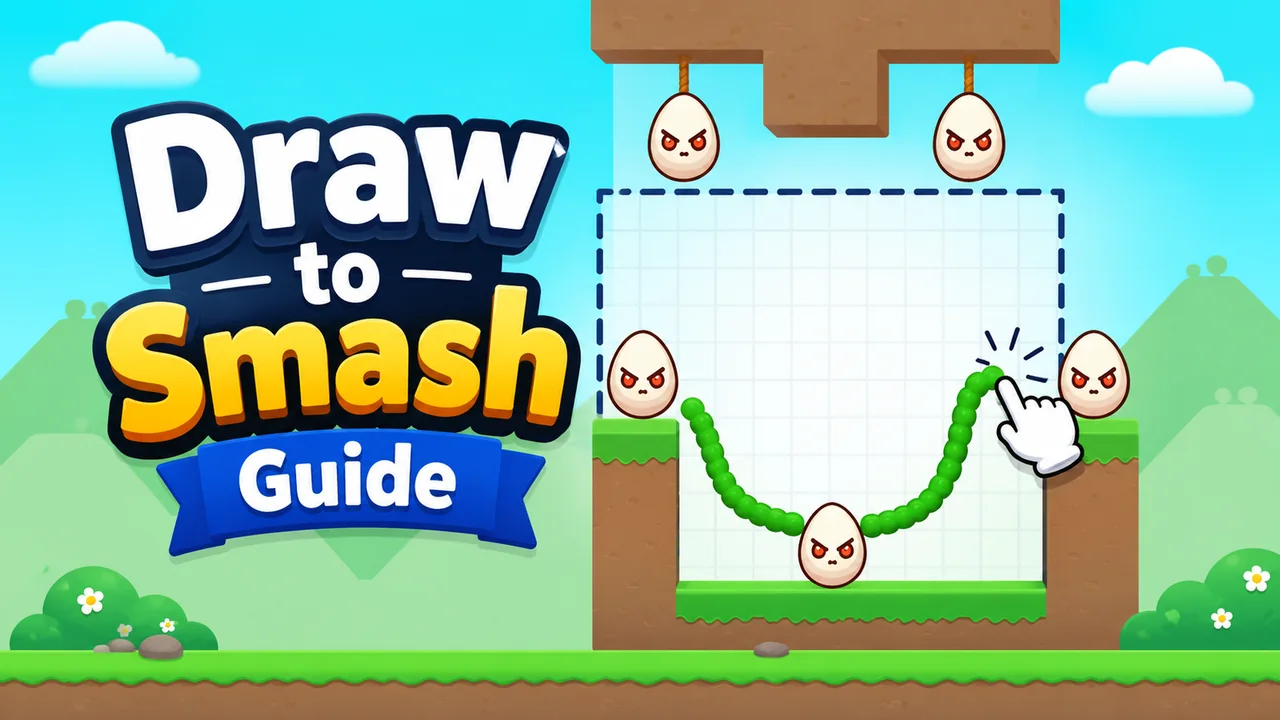
Break hard levels into smaller decisions and use platforms, timing, pivots, and controlled rotation to progress.
Read article →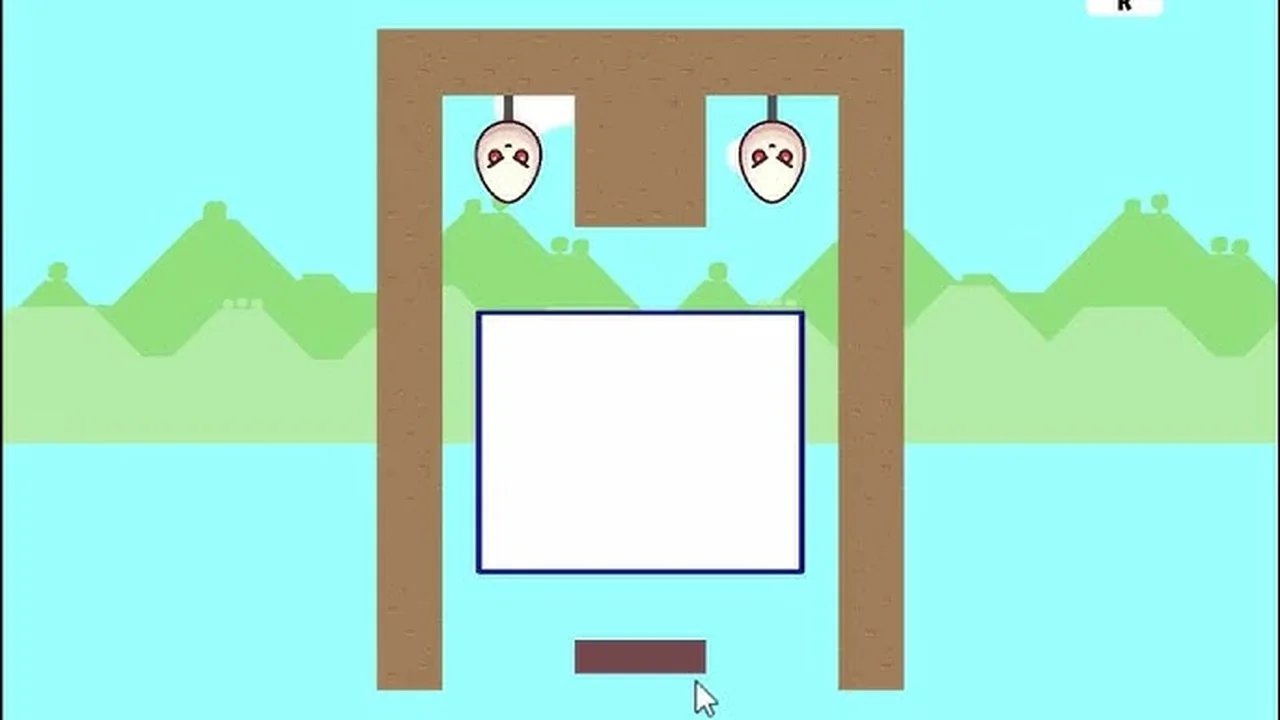
Plan efficient single-stroke solutions with better coverage, controlled thickness, and fewer unnecessary curves.
Read article →
Compare touch and mouse drawing, improve precision on each device, and choose the best setup for tougher puzzles.
Read article →
Stop over-drawing, ignoring pivots, repeating failed ideas, and misreading target zones with these practical corrections.
Read article →
Explore how physics drawing puzzles encourage prediction, experimentation, spatial reasoning, and flexible problem-solving.
Read article →
Add variety with minimum-ink runs, shape-only rules, no-reset attempts, and personal speed or accuracy challenges.
Read article →